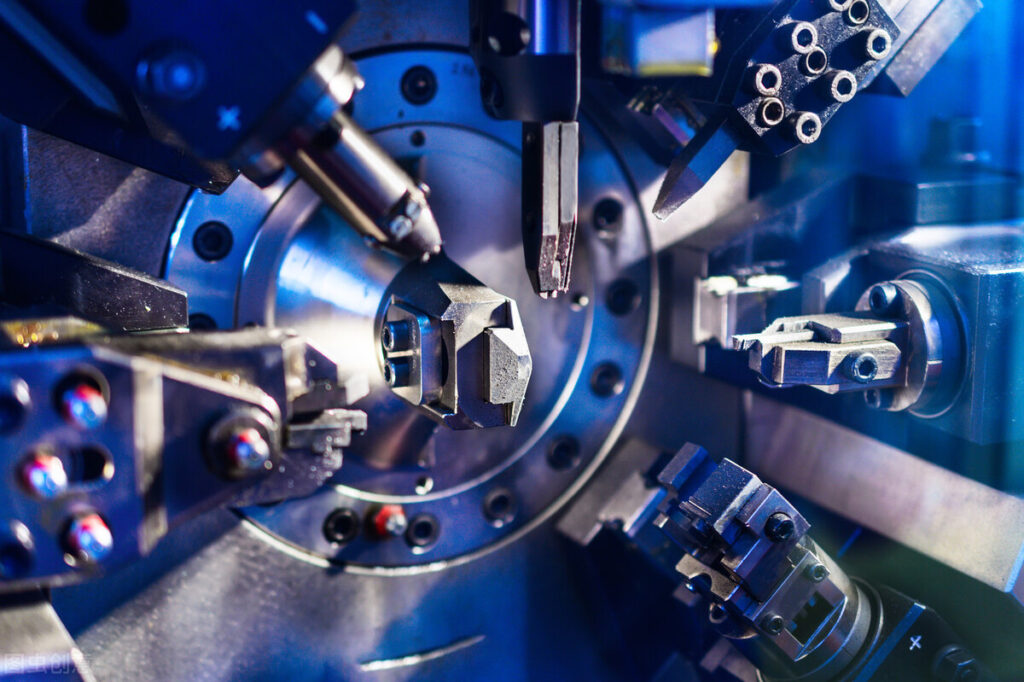
Daily CNC Maintenance Tips
Precision Manufacturing
Precision Manufacturing | High-Accuracy CNC Equipment
To maintain peak performance, reliability, and long service life of your CNC equipment, it is essential to implement structured and consistent maintenance procedures. In high-precision CNC manufacturing environments, even minor neglect can lead to dimensional inaccuracy, increased downtime, and expensive repairs. The following professional Daily Maintenance Tips help ensure your machine operates at optimal efficiency while preserving accuracy and production stability.
1. Fluid System Inspection
High-Precision CNC Machine Equipment
Verify coolant and lubricant levels meet specified ranges before machine startup
Check for contamination, discoloration, or abnormal fluid consistency
Inspect coolant concentration using a refractometer
Ensure filtration systems are functioning properly
The fluid system plays a critical role in temperature control, lubrication, and chip evacuation. Insufficient coolant levels may cause overheating, thermal expansion errors, and tool wear. Contaminated fluids can lead to corrosion and bacterial growth, affecting both machining quality and operator safety. Performing fluid checks is one of the most important Daily Maintenance Tips for maintaining machining accuracy.
2. Mechanical Component Care
Clean guideways and ball screws using approved non-abrasive methods to prevent particulate buildup
Remove metal chips from machine bed and enclosure
Apply way lubricant according to manufacturer specifications
Check lubrication pumps for proper operation
Mechanical precision depends heavily on clean and properly lubricated components. Guideways and ball screws are particularly sensitive to debris accumulation. Without proper cleaning, friction increases, leading to positioning errors and accelerated wear. Routine mechanical care reduces backlash issues and ensures smooth axis travel.
3. Electrical System Check
Inspect all electrical connections for tightness and signs of overheating
Look for frayed cables or damaged conduit
Confirm emergency stop and safety interlock systems are functional
Monitor control panel indicators for warning signals
Electrical integrity is essential for CNC reliability. Loose wiring or insulation damage may cause signal instability, servo errors, or unexpected machine shutdowns. A brief but consistent inspection routine significantly reduces the risk of sudden downtime.
4. Precision Verification
Perform routine accuracy calibration using standardized test pieces
Conduct spindle runout checks when necessary
Verify tool offsets and work coordinate systems
Document measurement results for trend analysis
Precision verification ensures your CNC equipment maintains dimensional tolerance requirements. By recording measurement results daily, operators can detect gradual deviation trends before they become major problems. This proactive approach supports predictive maintenance strategies and long-term equipment stability.
Daily CNC Maintenance Checklist
A consistent daily maintenance routine helps CNC operators identify potential problems before they lead to machine downtime, accuracy issues, or costly repairs. Use the following checklist at the beginning and end of each working shift.
| Maintenance Item | Daily Check |
|---|---|
| Coolant Level | Check the coolant level and refill when necessary. |
| Coolant Condition | Check for contamination, unusual color, odor, or excessive debris. |
| Lubrication System | Verify lubricant levels and confirm that the automatic lubrication system is operating properly. |
| Guideways & Ball Screws | Remove chips and debris and check for signs of abnormal wear. |
| Machine Bed & Enclosure | Clean accumulated metal chips and coolant from the work area. |
| Cutting Tools | Inspect tools for excessive wear, damage, or abnormal cutting conditions. |
| Electrical System | Check cables, connectors, control-panel indicators, and visible signs of overheating or damage. |
| Emergency Stop & Safety Devices | Confirm that emergency stop buttons and safety interlocks function correctly. |
| Tool & Work Offsets | Verify tool offsets and work coordinate settings before production. |
| Spindle Condition | Listen for unusual noise or vibration and check for abnormal spindle temperature. |
| Machine Accuracy | Monitor dimensional accuracy and investigate any unusual deviation from expected tolerances. |
| Abnormal Conditions | Record unusual noise, vibration, leakage, alarms, temperature changes, or other machine abnormalities. |
Maintenance Record
Operators should record important observations and abnormalities after each inspection. Consistent documentation helps maintenance teams identify developing problems, analyze equipment trends, and schedule preventive maintenance before a failure occurs.
Important: Always follow the CNC machine manufacturer’s maintenance instructions, recommended lubricants, inspection intervals, and safety procedures. The checklist above is a general guideline and should not replace the manufacturer’s maintenance manual.
Extended Guide: Enhancing CNC Performance Through Daily Maintenance
In precision manufacturing environments, CNC machines represent significant capital investment. Protecting this investment requires more than periodic servicing — it demands structured, disciplined daily care. Implementing consistent Daily Maintenance Tips improves operational efficiency, minimizes unexpected downtime, and extends overall equipment lifespan.
Why Daily Maintenance Matters
CNC machines operate under high-speed, high-load conditions. Thermal variation, vibration, metal chips, and coolant exposure constantly impact machine components. Without systematic inspection, minor issues can escalate into costly failures. A small coolant imbalance today can lead to spindle damage tomorrow. Routine inspections prevent these cascading failures.
Moreover, stable maintenance routines improve machining repeatability. In industries such as aerospace, medical device manufacturing, mold making, and precision automotive components, micron-level accuracy is critical. Daily calibration checks ensure production remains within tolerance limits.
Cost Reduction Through Preventive Care
Preventive maintenance is far less expensive than reactive repair. Replacing a worn wiper seal or tightening a loose electrical connector is inexpensive compared to replacing a spindle assembly or servo motor. Following professional Daily Maintenance Tips reduces emergency repair costs and keeps production schedules intact.
Maintenance also reduces tool consumption. Clean guideways and proper lubrication lower friction, resulting in improved tool life and better surface finishes. Stable coolant concentration protects cutting tools from overheating and premature wear.
Operator Responsibility and Documentation
Daily maintenance should be part of the operator’s standard operating procedure (SOP). A structured checklist ensures nothing is overlooked. Documentation of coolant levels, lubrication status, calibration readings, and abnormalities creates valuable historical data. Over time, trend analysis helps maintenance teams anticipate wear patterns and schedule proactive servicing.
Consistency is key. Even a five-minute inspection routine at the beginning and end of each shift can dramatically improve machine reliability. These Daily Maintenance Tips create a culture of accountability and precision within the production team.
Building a Long-Term Maintenance Strategy
While daily checks are fundamental, they should integrate into a broader preventive maintenance program that includes weekly, monthly, and quarterly servicing. Combining structured routines with professional service intervals ensures maximum machine uptime.
In conclusion, precision manufacturing depends on machine stability, accuracy, and reliability. By implementing systematic inspection procedures and following proven Daily Maintenance Tips, manufacturers can protect equipment investments, maintain dimensional accuracy, reduce downtime, and ensure consistent production quality. A disciplined daily routine is not merely maintenance — it is a strategic foundation for sustainable precision manufacturing success.